In Miami the air conditioner runs almost every day of the year, and every day it pulls moisture out of the air and drains it away. When that condensate line clogs with algae, the drain pan overflows, and the water quietly soaks the ceiling or floor for days before anyone notices. It is the single most common quiet leak in South Florida homes.
Why AC overflow is so common here
A condensate line runs from the air handler to a drain, and in Miami's humidity it fills with algae and biofilm and clogs. When it does, the pan overflows, and if the handler sits in the attic or a ceiling closet, the water lands on the ceiling below.
Because it drips slowly, the first sign is often a brown stain or a musty smell, by which point the drywall and insulation are already saturated.
- Algae and biofilm clogging the condensate line
- An overflowing secondary drain pan
- A rusted or cracked pan under the air handler
How the crew handles an AC leak
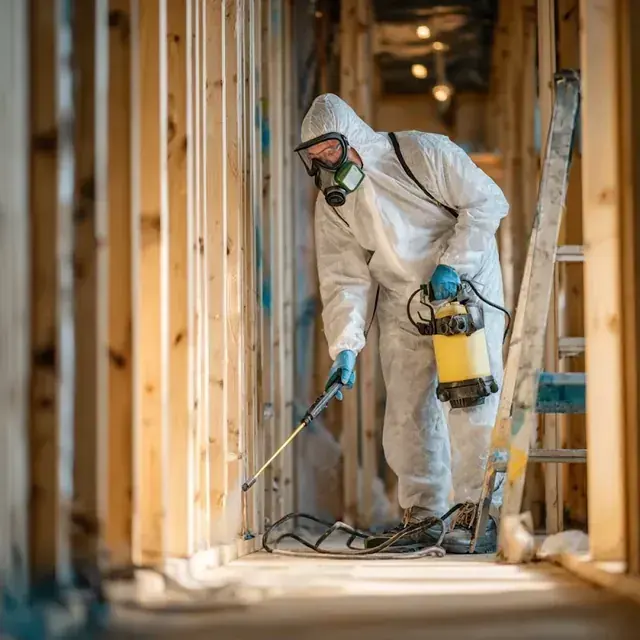
The crew stops the overflow, clears the condensate line, and checks the pan, then opens only the wet ceiling or wall and dries the framing, insulation, and drywall to a verified standard.
If the water traveled down a wall or reached a lower unit, the crew dries those cavities too and, in a condo, coordinates like a high-rise or condo loss.
- Clear the clog and check the drain pan
- Dry the ceiling, insulation, and any wall cavity
- Recommend a float switch to prevent a repeat
Brown stain spreading on your ceiling?
That is often an AC overflow. The crew clears the line and dries the ceiling before it collapses. Call 24/7.
Stopping the next overflow
A simple float switch shuts the AC off if the pan starts to fill, which prevents the next ceiling collapse. Flushing the line and checking the pan a few times a year keeps it clear.
The crew points out what caused this one so your HVAC tech can keep it from happening again.